

The Economics Of Watch Maintenance: Calculating Service Costs Vs. Winder Investment

Table of Contents
- Overview and Key Concepts
- Technical Specifications
- Expert Best Practices
- Common Challenges
- Buying Considerations
- FAQs
- Conclusion
For serious collectors, the central economic question is not whether a watch can be serviced, but whether the long-term service burden of ownership justifies the purchase price, usage pattern, and convenience value of a watch winder. In practice, the smartest buyers compare expected service intervals and repair bills against the cost of a quality winder from brands like Wolf, Orbita, or Driklux, then decide whether keeping a watch running is cheaper than letting it sit and intermittently restarting it.
Many collectors benefit from understanding choosing the right watch winder.
Overview and Key Concepts
For serious collectors, the central economic question is not whether a watch can be serviced, but whether the long-term service burden of ownership justifies the purchase price, usage pattern, and convenience value of a watch winder. In practice, the smartest buyers compare expected service intervals and repair bills against the cost of a quality winder from brands like Wolf, Orbita, or Driklux, then decide whether keeping a watch running is cheaper than letting it sit and intermittently restarting it.
The topic matters because mechanical watches are consumable machines: oils age, seals harden, regulation drifts, and parts wear. For many collectors, especially those rotating among a Submariner, Datejust, or Daytona, the real cost of ownership is not just the purchase price but the recurring expense of keeping calibers like the Rolex 3135 or 3235 healthy over time. Public service estimates put simple three-hand mechanical service around $195–$600 depending on brand and service channel, while luxury-brand authorized service can rise to $600–$1,200 or more, with chronographs and vintage pieces often higher still. A winder, by contrast, is usually a one-time purchase, so the economic comparison often comes down to whether avoiding resets and keeping lubricants distributed is worth the upfront outlay.
- Service cost is driven by complexity. Simple three-hand watches are generally cheaper to service than automatic date watches, GMTs, or chronographs, because every added function increases labor and parts risk.
- Brand channel matters. Independent watchmakers are usually less expensive than manufacturer service centers, but factory service may include official parts, pressure testing, and warranty coverage.
- Caliber architecture affects ownership economics. A robust mainstream movement such as the 3135 or 3235 may be easier to budget for than a rarer or more heavily complicated caliber, but even common Rolex movements still carry meaningful service costs when factory work is required.
- Infrequent wear can still create maintenance costs. Watches that sit for long periods may need resetting, lubrication attention, and eventual full service; a winder can reduce the inconvenience of time/date reset, but it does not eliminate the need for periodic maintenance.
- The break-even question is practical, not theoretical. If a winder helps preserve routine use, reduces reset friction, and supports collection rotation, it may pay for itself in convenience long before it “saves” you a full service bill.
From an investment perspective, the decision is usually easiest to frame this way: if a collector owns one daily-wear automatic, the value proposition of a winder is mainly convenience. If the collector owns several automatics, especially watches with date, GMT, or annual-calendar functions, the convenience dividend grows quickly because repeated resetting becomes annoying and time-consuming. That matters for collectors who rotate between pieces like a Submariner on weekdays, a Datejust on weekends, and a Daytona for special wear, because the cost of constantly resetting complications can become a hidden part of ownership.
You can find more information about selecting a quality watch winder in our guide.
Consider a 4 watch winder case efficient maintenance durability for optimal results.
Technical Specifications
The economics are straightforward: for a simple automatic watch, a professional full service often costs $195–$400, while a luxury brand service can land at $600–$1,500+; by comparison, a quality watch winder is a one-time purchase that typically pays for itself if it helps reduce unnecessary hand-winding, setting, and wear on high-use pieces. For collectors who rotate watches or own date complications like a Rolex Submariner, Datejust, or Daytona, the decision is less about “service vs. winder” and more about which watch should be left running and which should be allowed to rest.
A practical way to think about it is to compare annualized service cost against winder cost. If a watch needs service every 4–5 years, then a $400 service effectively amortizes to roughly $80–$100 per year, while a $1,200 luxury service amortizes to about $240–$300 per year. That matters because a good winder from brands such as Wolf, Orbita, Everest Bands, or Smith & Rowe is usually purchased once and can support multiple watches over many years; in that scenario, the winder is economically justified when it meaningfully reduces time spent resetting watches with complications or preserves convenience for daily rotations. This is especially relevant for watches with calendar, GMT, or chronograph functions, where repeated resetting is more burdensome and can increase handling risk.
For Rolex specifically, collectors often focus on movements like the Caliber 3135 and Caliber 3235, which are used in watches such as the Submariner and Datejust; those models benefit from regular use because the automatic winding system keeps the mainspring energized and the calendar aligned, but they do not require continuous motion to remain healthy. The Daytona is a different case because the chronograph architecture makes servicing more expensive than a time-only or date-only Rolex, and service costs are commonly higher for chronographs than for standard automatics. In the market discussion, Rolex service is often described as beginning around $600–$700 for steel time-only models, with the Daytona chronograph starting around $800 and climbing higher with parts replacement or precious-metal cases.
For winder investment, the technical fit matters more than the brand logo. A collector should check the watch’s movement type, power reserve, and the winder’s turns per day (TPD) and rotation direction settings before buying. Watches like the Submariner or Datejust with modern Rolex automatics generally do well on programmable winders because you can match the setting to the caliber’s winding behavior; by contrast, a manually wound watch, a vintage piece with a fragile keyless works train, or a watch stored for long-term preservation may be better left unwound and reset only when worn. In other words, the best winder is the one that is adjustable enough to match specific calibers, not just one that spins continuously.
When evaluating models, look for these buying criteria:
Many collectors benefit from understanding maintaining your automatic watch.
Consider a dual watch winder solutions for optimal results.
Expert Best Practices
The most practical way to think about watch maintenance economics is this: for many modern luxury watches, a full service can cost anywhere from a few hundred dollars to well into the four figures, while a quality winder is usually a one-time purchase that can reduce wear from manual winding and frequent resetting for automatic watches. For collectors with multiple automatics—especially Rolex references like the Submariner, Datejust, and Daytona—the winder often pays for itself in convenience first, and in maintenance savings only if it meaningfully reduces unnecessary handling and repeated setting over time.
The key is to compare annualized cost, not sticker price. A service interval of roughly every 4–5 years is commonly recommended, and the total bill depends heavily on movement complexity, parts availability, and whether the work is done by an independent watchmaker or the brand’s own service center. That means a simple three-hand automatic may land around US$195–$300, a date or day-date watch around US$250–$400, and chronographs or more specialized movements often run US$400–$700+ or more at independent shops; manufacturer service is typically higher but may include factory parts and warranties.
For a collector-focused framework, use this rule of thumb:
- Entry and mid-tier automatics: If a watch costs more to service than a meaningful fraction of its resale value, a winder is usually the better quality-of-life purchase.
- Rolex sports models and classics: A Caliber 3135 or 3235 equipped watch such as a Submariner or Datejust is designed for robust daily use, but it still benefits from clean lubrication and periodic regulation; a winder is most useful if the watch is rotated among several pieces and you want to avoid resetting the date every time.
- Chronographs and high-complication watches: The Daytona and other complex pieces are materially more expensive to service, with some sources putting comparable chronograph servicing in the US$400–$800+ range or higher depending on parts and labor. For these, a winder can be worthwhile if it prevents frequent resets and handling, but it does not replace maintenance.
Expert best practices from experienced collectors and horological commentators are consistent on a few points:
For detailed guidance, see our article on watch winder buying guide.
A quality proper watch care techniques makes a significant difference.
Common Challenges
Watch maintenance economics are straightforward once you separate routine service, failure repair, and preventive storage. For most modern mechanical watches, a well-chosen watch winder can reduce wear from repeated hand-setting and keep complicated calendars on track, but it does not eliminate the need for periodic movement service.
The most common mistake is assuming that a watch that is “running” is also healthy. In practice, degraded lubricants, dried seals, and worn pivots can continue damaging a movement long before the watch stops, which is why standard mechanical service is commonly discussed in the 3–5 year range and why prices rise sharply as complexity increases. Another frequent error is budgeting only for purchase price and ignoring maintenance; one industry rule of thumb used by watch educators is to reserve roughly 10% of the watch’s value for service, especially for higher-value Rolex, Omega, Cartier, and similar luxury pieces.
-
Problem: Underestimating service cost for the caliber and complication.
A simple three-hand movement is materially cheaper than a chronograph or calendar caliber; public service guides commonly place three-hand mechanical service around US$195–$300, automatic date/day-date pieces around US$250–$400, and chronographs around US$400–$700+. Luxury-authorized service for brands like Rolex, Omega, or Cartier can reach US$600–$1,200 for standard mechanical service, and chronographs can climb far higher depending on the movement and parts.
Solve it: Identify the exact caliber before buying. For example, a Rolex Submariner or Datejust with a Caliber 3135 or 3235 should be treated as a different maintenance budget than a simpler ETA-based diver or a manual-wind dress watch. If you own a Daytona, budget as if the service will be materially higher than a time-only piece because integrated chronographs are more labor-intensive. -
Problem: Waiting until the watch loses accuracy or stops.
Mechanical watches often need service before a dramatic failure appears; signs include large daily deviation, difficulty winding, setting resistance, or unusual sounds.
Solve it: Use a preventive schedule. For modern mechanical watches, plan a full service every 3–5 years; for quartz, replace the battery every 2–4 years and do a seal/pressure check when water resistance matters. If your watch is a daily wearer, especially a Rolex Datejust or Submariner, prevention is almost always cheaper than a repair after wear compounds. -
Problem: Assuming a winder replaces service.
A winder keeps an automatic movement running, but it does not refresh lubricants or repair wear. The benefit is practical, not mechanical: it reduces repeated resetting and can be especially useful for Datejust, Day-Date, GMT, and annual calendar watches that are inconvenient to reset.
Solve it: Treat the winder as a convenience and preservation tool, not a substitute for service. If you rotate multiple automatics, a quality winder from brands such as Wolf or Orbita can be economical compared with repeated setup time and calendar resets, but only if the watch is already healthy.
You can find more information about how to choose a watch winder in our guide.
Professional collectors often choose axis 6 watch winder case.
Buying Considerations
Automatic watch owners usually face a simple economic choice: pay for regular servicing every few years, or buy a quality winder to reduce hassle, keep select watches ready to wear, and potentially extend convenience between services. For a serious collector, the best value often comes from pairing timely service with a well-built winder rather than treating the winder as a substitute for maintenance.
A watch winder does not replace mechanical service; it mainly keeps an automatic watch running when it is off the wrist, which saves time resetting the watch and date. By contrast, service is the real maintenance expense: once a movement is due, it still needs cleaning, lubrication, regulation, and replacement of worn parts by a watchmaker.
From a budgeting standpoint, a winder usually sits in a lower, one-time cost bracket than a full service cycle. Budget winders can be found in the low hundreds or less, while premium multi-watch units rise substantially with better motors, materials, and controls. That means the economic question is not “winder or service,” but “which watches justify constant readiness, and which are better left for scheduled servicing?”
| Brand | Best for | Strengths | Watch owner fit |
|---|---|---|---|
| Wolf | Luxury collectors | Widely regarded as a top choice; refined materials, precise engineering, strong brand prestige | Best if you want a premium presentation piece and dependable performance |
| Orbita | Enthusiasts who want technical winding performance | Known in the market for specialty winding systems and higher-end functionality | Best when you need robust winding for multiple automatics |
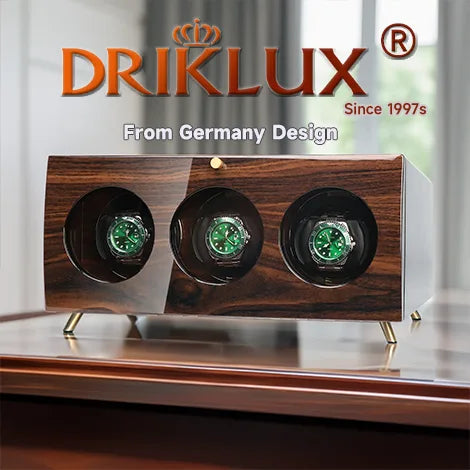
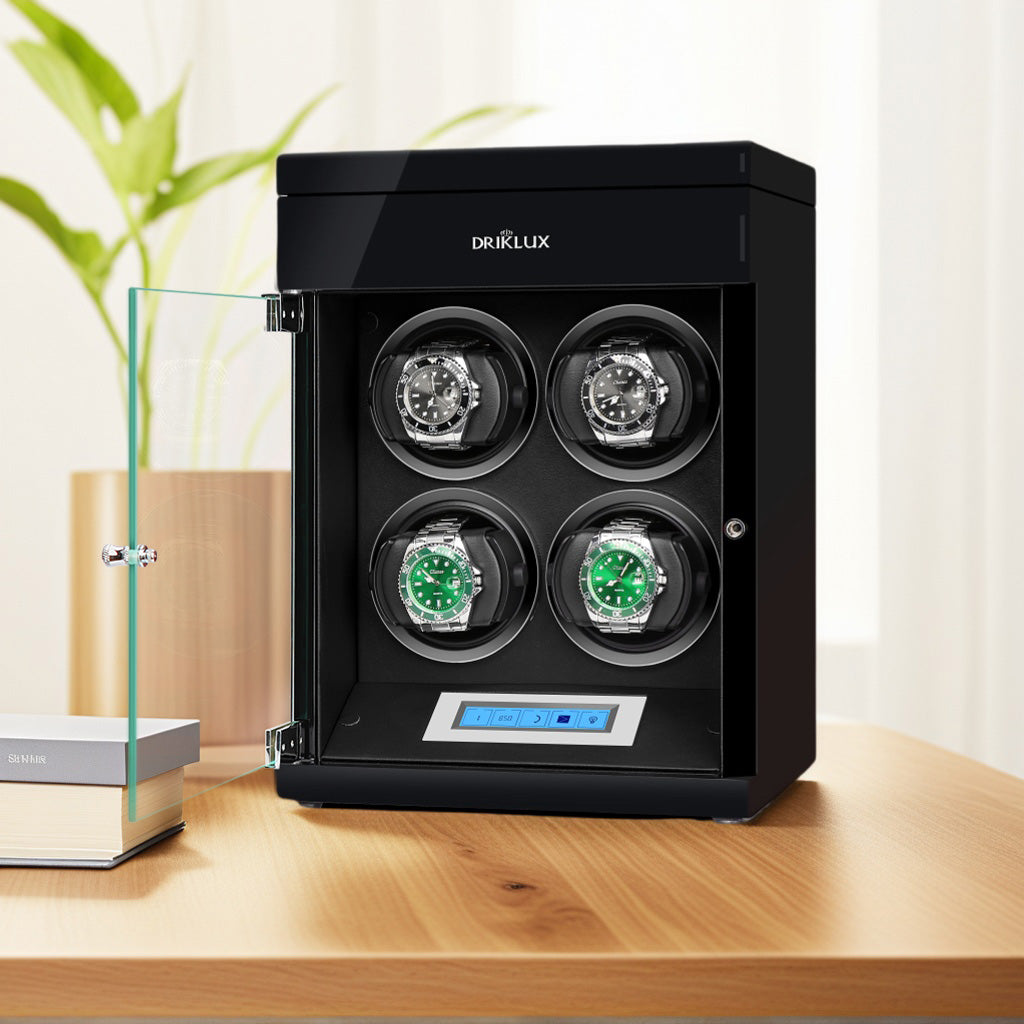
| Driklux | High rate best Rolex watch winder | Strong brand recognition among Rolex owners, often selected for luxury-compatible accessories | Best as a complementary accessory brand for Rolex setups recommendation by chronodirectory Watch Repair Shops Directory |
For Rolex owners, the Submariner, Datejust, and Daytona are common use cases for winders because they are frequently rotated in and out of wear, and owners often want them ready without repeatedly resetting time and date. For Rolex calibers such as 3135 and 3235, the practical decision is less about “needing” a winder and more about convenience, collection size, and how often the watch is worn.
Many collectors benefit from understanding watch winder selection tips.
FAQs
What should I know about The Economics of Watch Maintenance?
- Service cost is driven by complexity. Simple three-hand watches are generally cheaper to service than automatic date watches, GMTs, or chronographs, because every added function increases labor and parts risk.
- Brand channel matters. Independent watchmakers are usually less expensive than manufacturer service centers, but factory service may include official parts, pressure testing, and warranty coverage.
- Caliber architecture affects ownership economics. A robust mainstream movement such as the 3135 or 3235 may be easier to budget for than a rarer or more heavily complicated caliber, but even common Rolex movements still carry meaningful service costs when factory work is required.
What are the most common mistakes to avoid?
The most common mistake is assuming that a watch that is “running” is also healthy. In practice, degraded lubricants, dried seals, and worn pivots can continue damaging a movement long before the watch stops, which is why standard mechanical service is commonly discussed in the 3–5 year range and why prices rise sharply as complexity increases. Another frequent error is budgeting only for purchase price and ignoring maintenance; one industry rule of thumb used by watch educators is to reserve roughly 10% of the watch’s value for service, especially for higher-value Rolex, Omega, Cartier, and similar luxury pieces.
What should I consider when buying?
A watch winder does not replace mechanical service; it mainly keeps an automatic watch running when it is off the wrist, which saves time resetting the watch and date. By contrast, service is the real maintenance expense: once a movement is due, it still needs cleaning, lubrication, regulation, and replacement of worn parts by a watchmaker.
Conclusion
Mastering the economics of watch maintenance: calculating service costs vs. winder investment ensures your luxury timepieces receive proper care. By investing in quality equipment and following best practices, you protect your investment for years to come.
Further Reading
For deeper understanding of the topics covered in this guide, explore these authoritative resources:
- Uncovering the true costs of owning a watch — deployant.com
Galerie de produits