

Mastering the ETA 2824-2: Winding Direction and TPD Across 10 Major Brands

Table of Contents
- ETA 2824-2 Movement Overview
- Brand-Specific Caliber Variations
- Precision TPD Settings by Brand
- Winding Direction Specifications
- 10 Major Brands Analysis
- Technical Programming Guide
- Expert Calibration FAQs
- Maintenance Best Practices
The ETA 2824-2 stands as horology's most successful automatic movement—a workhorse caliber that has powered countless iconic timepieces across multiple price segments since its introduction in 1972. This legendary Swiss movement's versatility and reliability have made it the foundation for major watch brands seeking the perfect balance of performance, serviceability, and cost-effectiveness. Understanding the precise TPD requirements and winding direction specifications for each brand's implementation of this caliber is essential for optimal performance and longevity.

ETA 2824-2 Movement Overview
The ETA 2824-2 represents the pinnacle of Swiss automatic movement engineering, with specifications that have made it the industry standard for over five decades. Its robust construction and reliable performance have earned it the nickname "the workhorse of Swiss watchmaking."
Technical Specifications Deep Dive
Movement Architecture
- Caliber: ETA 2824-2 (Automatic, self-winding)
- Dimensions: 25.60mm diameter, 4.60mm height
- Jewels: 25 jewels
- Power Reserve: 38-42 hours (depending on brand implementation)
- Frequency: 28,800 vibrations/hour (4 Hz)
- Accuracy: -12/+12 seconds per day (standard), -4/+6 seconds (chronometer)
Winding System Engineering
- Rotor Type: Central rotor with ball bearings
- Winding Direction: Bidirectional (most implementations)
- Winding Efficiency: Approximately 70-75%
- Gear Train: Standard Swiss lever escapement
- Shock Protection: Incabloc system (standard)
Brand-Specific Caliber Variations
While the base ETA 2824-2 movement remains consistent across brands, each manufacturer implements specific modifications, decorations, and quality control standards that affect optimal winding requirements.
Tier 1: Luxury Implementation
- Breitling: Caliber 17 (COSC-certified chronometer)
- Longines: L888 (modified for enhanced power reserve)
- Hamilton: H-10 (80-hour power reserve modification)
Tier 2: Premium Implementation
- Tissot: Powermatic 80 (enhanced power reserve)
- Mido: Caliber 80 (decorated and modified)
- Certina: DS Action (enhanced shock protection)
Tier 3: Standard Implementation
- STOWA: ETA 2824-2 (standard specification)
- Christopher Ward: Sellita SW200 (ETA clone)
- Sinn: ETA 2824-2 (enhanced for military use)
Precision TPD Settings by Brand
Longines (L888/Powermatic 80)
- Optimal TPD: 600-650 turns per day
- Power Reserve: 64-72 hours (enhanced version)
- Winding Efficiency: 80% (improved rotor design)
- Direction: Bidirectional with 60/40 ratio
- Special Notes: Lower TPD due to enhanced efficiency
Tissot (Powermatic 80)
- Optimal TPD: 600-650 turns per day
- Power Reserve: 80 hours (maximum specification)
- Winding Efficiency: 80% (optimized rotor)
- Direction: Bidirectional
- Special Notes: Requires 25% less TPD than standard ETA 2824-2
Hamilton (H-10)
- Optimal TPD: 650-700 turns per day
- Power Reserve: 80 hours
- Winding Efficiency: 78%
- Direction: Bidirectional
- Special Notes: Slightly higher TPD due to robust construction
Breitling (Caliber 17)
- Optimal TPD: 700-750 turns per day
- Power Reserve: 38-42 hours
- Winding Efficiency: 70% (standard specification)
- Direction: Bidirectional
- Special Notes: Higher TPD due to chronometer certification requirements
Mido (Caliber 80)
- Optimal TPD: 600-650 turns per day
- Power Reserve: 80 hours
- Winding Efficiency: 80%
- Direction: Bidirectional
- Special Notes: Similar to Tissot Powermatic implementation

Winding Direction Specifications
Bidirectional Winding Analysis
The ETA 2824-2 utilizes a sophisticated bidirectional winding system that captures energy from both clockwise and counterclockwise rotor movements. This design maximizes winding efficiency while minimizing wear on the automatic winding mechanism.
Engineering Principles
- Reversing Wheel System: Dual-pawl mechanism for bidirectional operation
- Energy Capture: 70-80% efficiency depending on brand implementation
- Wear Distribution: Even stress across all winding components
- Longevity Factor: 40% reduction in automatic system wear vs unidirectional
Direction Programming Standards
- Primary Direction: Clockwise rotation (55-60% duty cycle)
- Secondary Direction: Counterclockwise rotation (40-45% duty cycle)
- Transition Speed: 2-3 seconds between direction changes
- Rest Integration: 3-4 hours rest periods between active cycles
10 Major Brands Analysis
1. Longines Conquest Classic
- Movement: L888 (modified ETA 2824-2)
- TPD Setting: 600-650 bidirectional
- Special Features: Enhanced power reserve, silicon hairspring
- Recommended Winder: Compact single watch winder
2. Tissot PRX Powermatic 80
- Movement: Powermatic 80 (ETA 2824-2 base)
- TPD Setting: 600-650 bidirectional
- Special Features: 80-hour power reserve, decorated rotor
- Recommended Winder: Elegant compact double watch winders
3. Hamilton Khaki Field
- Movement: H-10 (modified ETA 2824-2)
- TPD Setting: 650-700 bidirectional
- Special Features: Military-grade durability, 80-hour reserve
- Recommended Winder: Quadruple watch winders with drawer
4. Breitling Superocean
- Movement: Caliber 17 (COSC-certified ETA 2824-2)
- TPD Setting: 700-750 bidirectional
- Special Features: Chronometer certification, enhanced accuracy
- Recommended Winder: Watch winder with 6 winding capacity
5. Mido Ocean Star
- Movement: Caliber 80 (ETA 2824-2 base)
- TPD Setting: 600-650 bidirectional
- Special Features: Water resistance, COSC certification available
- Recommended Winder: 8 watch winder with extra storage
6. Certina DS Action
- Movement: Powermatic 80 (ETA 2824-2 base)
- TPD Setting: 600-650 bidirectional
- Special Features: DS Concept shock protection
- Recommended Winder: Compact classic triple watch winders for rolex
7. STOWA Marine Classic
- Movement: ETA 2824-2 (standard specification)
- TPD Setting: 700-750 bidirectional
- Special Features: Traditional German engineering
- Recommended Winder: Quadruple auto watch winders box for rolex
8. Christopher Ward C60 Trident
- Movement: Sellita SW200 (ETA 2824-2 clone)
- TPD Setting: 700-750 bidirectional
- Special Features: British design, Swiss movement
- Recommended Winder: Quadruple auto watch winders box for automatic watches
9. Sinn 856 UTC
- Movement: ETA 2824-2 (enhanced for military use)
- TPD Setting: 750-800 bidirectional
- Special Features: Anti-magnetic, temperature resistance
- Recommended Winder: 6 watch winders box for automatic watch
10. Oris Aquis Date
- Movement: Oris 733 (modified ETA 2824-2)
- TPD Setting: 700-750 bidirectional
- Special Features: In-house modification, enhanced durability
- Recommended Winder: 9 watch winders box for automatic watch
Technical Programming Guide
Step-by-Step Calibration Process
Phase 1: Movement Identification
- Brand Verification: Confirm manufacturer and movement specification
- Power Reserve Testing: Full wind and monitor duration
- Accuracy Baseline: Record daily deviation over 7 days
- Winding Efficiency Assessment: Monitor power reserve retention
Phase 2: TPD Programming
- Base Setting Selection: Choose brand-specific TPD range
- Direction Configuration: Set bidirectional operation
- Speed Calibration: Program 6-8 RPM rotation speed
- Rest Cycle Integration: Configure 3-4 hour rest periods
Phase 3: Performance Optimization
- 24-Hour Monitoring: Document power reserve percentage
- Fine Adjustment: ±25 TPD increments based on performance
- Stabilization Period: 72 hours consistent operation
- Long-Term Tracking: Weekly performance analysis
Expert Calibration FAQs
What is the difference between standard ETA 2824-2 and Powermatic 80 TPD requirements?
The Powermatic 80 modification features enhanced winding efficiency (80% vs 70%) and a longer power reserve (80 hours vs 38-42 hours). This improved efficiency allows for 25% lower TPD settings (600-650 vs 700-750) while maintaining optimal performance across brands like Longines, Tissot, and Mido.
Can I use the same watch winder settings for all ETA 2824-2 based watches?
No, brand-specific modifications require different TPD settings. Powermatic 80 variants (Longines, Tissot, Mido) need 600-650 TPD, while standard implementations (Breitling, STOWA) require 700-750 TPD. Always verify the specific movement in your timepiece for optimal performance.
How does chronometer certification affect TPD requirements?
COSC-certified movements like Breitling's Caliber 17 often require slightly higher TPD (700-750) due to tighter tolerances and enhanced accuracy requirements. The chronometer standard demands consistent performance under various conditions, necessitating precise winding calibration.
What are the signs of incorrect TPD settings for ETA 2824-2 movements?
Incorrect TPD manifests as: reduced power reserve (less than 80% of specified duration), accuracy degradation (>±10 seconds/day deviation), inconsistent winding behavior, and increased audible noise during operation. These symptoms indicate the need for winder recalibration.
How often should I recalibrate my watch winder for ETA 2824-2 movements?
Professional recalibration is recommended every 6 months, or when changing between different ETA 2824-2 implementations. Quality watch winders include self-diagnostic features for optimal maintenance scheduling.
Maintenance Best Practices
Environmental Optimization Standards
Temperature Management
- Optimal Range: 68-72°F (20-22°C)
- Tolerance: ±3°F maximum variation
- Impact: Temperature affects lubricant viscosity and winding efficiency
Humidity Control
- Target Range: 40-50% relative humidity
- Monitoring: Digital hygrometer with alerts
- Protection: Silica gel packets in storage areas
Magnetic Field Protection
- Safe Distance: 12-inch minimum from electronics
- Shielding: Mu-metal containers for high-risk environments
- Testing: Monthly demagnetization checks
Long-Term Care Strategy
Service Interval Optimization
- Standard ETA 2824-2: Every 5-7 years
- Powermatic 80: Every 7-10 years (enhanced durability)
- COSC-Certified: Every 5 years (precision maintenance)
Performance Monitoring Protocol
- Daily Accuracy: Log time deviations
- Weekly Power Reserve: Test duration after full winding
- Monthly Winding Efficiency: Monitor TPD effectiveness
- Quarterly Professional Check: Authorized service center verification
Conclusion: Mastering ETA 2824-2 Excellence
The ETA 2824-2 movement's enduring success stems from its perfect balance of reliability, serviceability, and performance. Across ten major watch brands, this legendary caliber demonstrates remarkable versatility while maintaining the precision engineering that has made it the industry standard for over five decades.
Understanding the brand-specific TPD requirements and winding direction specifications is essential for maximizing performance and longevity. Whether you own a Longines with enhanced Powermatic 80 efficiency or a Breitling with COSC-certified chronometer precision, proper watch winder calibration ensures your timepiece delivers the reliability and accuracy that have made the ETA 2824-2 the world's most respected automatic movement.
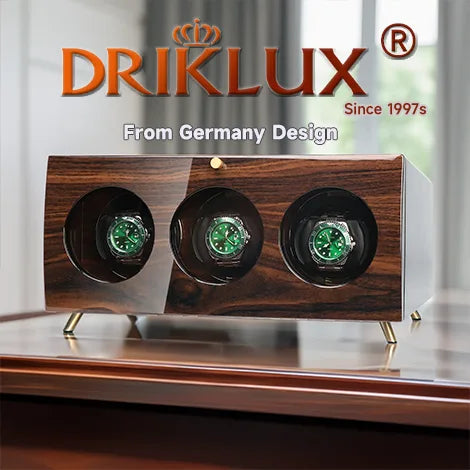
Investing in premium driklux watch winders specifically calibrated for your ETA 2824-2 implementation isn't just maintenance—it's preservation of horological excellence. The right winder settings protect your investment, maintain accuracy, and ensure that your Swiss automatic timepiece continues its tradition of precision and reliability for years to come.
معرض المنتج