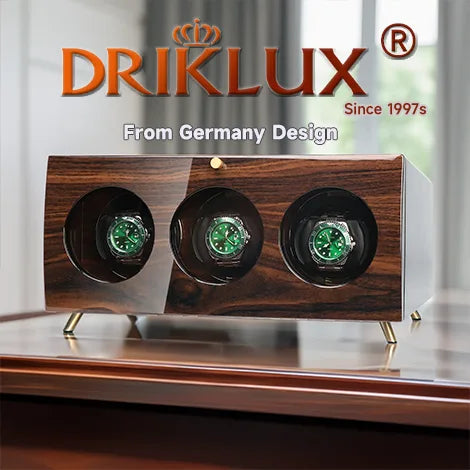


Walk-In Closet Architecture: Designing A Dedicated Wall For Your Automatic Watch Collection

Table of Contents
- Overview and Key Concepts
- Technical Specifications
- Expert Best Practices
- Common Challenges
- Buying Considerations
- FAQs
- Conclusion
For collectors of automatic watches like Rolex Submariner (Caliber 3135) or Daytona (Caliber 4130), a dedicated wall in your walk-in closet preserves precision movements by integrating watch winders that mimic wrist motion, preventing lubricant settling and ensuring instant readiness—no resetting dates on your Datejust (Caliber 3235). This architecture elevates your collection from
For detailed guidance, see our article on choosing the right watch winder.
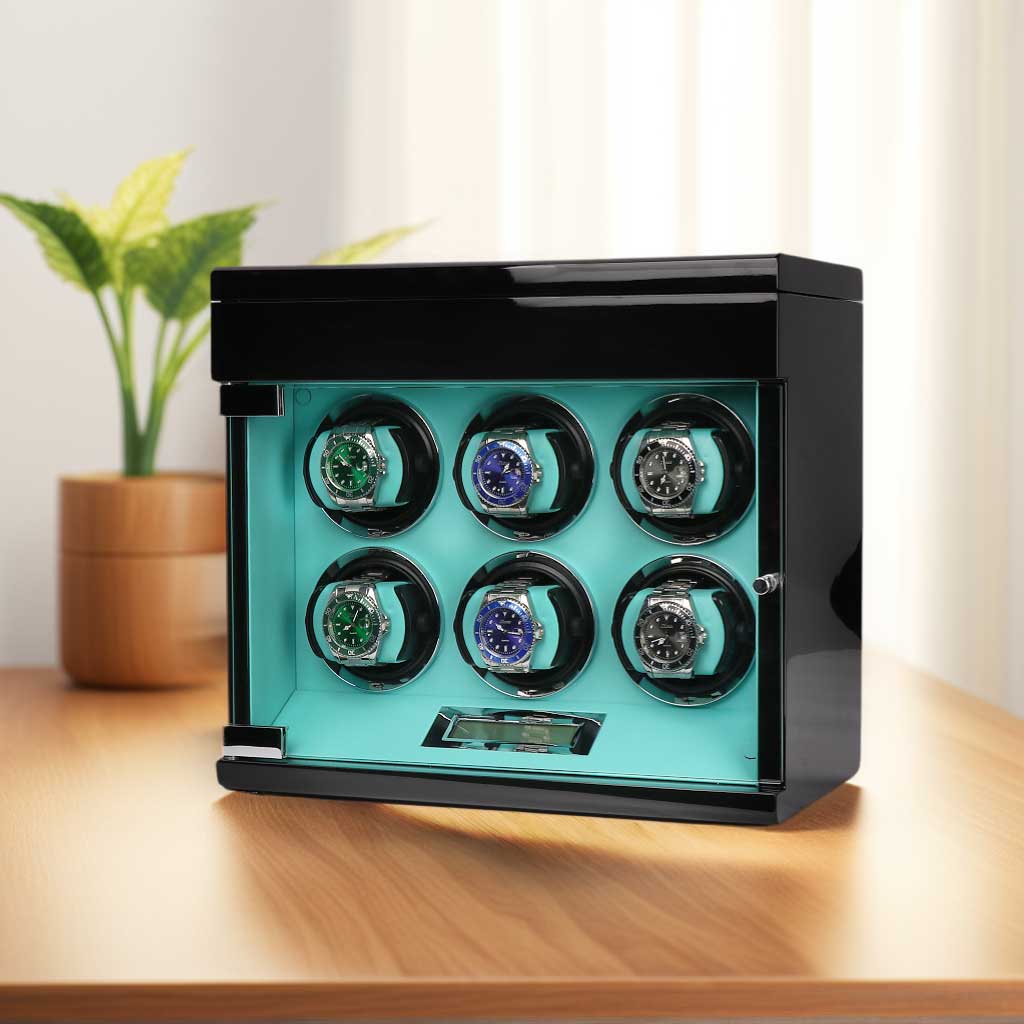
Overview and Key Concepts
For collectors of automatic watches like Rolex Submariner (Caliber 3135) or Daytona (Caliber 4130), a dedicated wall in your walk-in closet preserves precision movements by integrating watch winders that mimic wrist motion, preventing lubricant settling and ensuring instant readiness—no resetting dates on your Datejust (Caliber 3235). This architecture elevates your collection from mere storage to a showcase, protecting generational investments worth $10,000–$500,000+ while enhancing closet aesthetics.
Serious collectors prioritize seamless integration, customization, and longevity. Here's what you need to know:
-
Protection and Functionality: Automatic calibers stop after 48–72 hours unworn, risking accuracy loss and mechanical wear. High-end winders like Orbita (used by Organized Interiors, $500–$2,500 per module) or Schmalenbach built-ins rotate at precise TPDS (Turns Per Day), e.g., 650–800 TPD bidirectional for Rolex 3135/3235, with quiet operation under 30dB. Wolf single-winders ($200–$600) suit starters; scale to multi-winder cabinets for 10+ pieces.
-
Architectural Integration: Dedicate a wall section (e.g., 4–8 ft wide, 7 ft tall) with recessed cabinets. Options include felt-lined drawers for discretion or glass-front displays (tempered, UV-protected) to highlight Daytona chronographs. Firms like Casa Custom Closets, Eggersmann USA, or AA Design Firm embed winders into millwork, matching finishes like walnut or lacquer. For Orbita Siena models, allocate 12–18 inches depth per winder.
-
Customization for Collection Size:
Collection Size Recommended Setup Brands/Models Price Range Buying Tip 1–4 watches (e.g., Submariner, Datejust) Single/dual winder drawer Wolf Heritage, Orbita Lexicon $200–$800 Verify TPD compatibility via brand charts; test quietness in-store. Avoid cheap generics under $100—they over-wind calibers. 5–12 watches Wall-mounted cabinet with 4–8 modules Schmalenbach bespoke, Eggersmann multi $2,000–$10,000 Hire designers like Organized Interiors for biometric safes; integrate LED lighting (2700K warm) for Daytona bezel pop. 13+ watches (full wall) Custom tower or bi-fold glass enclosure Orbita RISTRA, Everest Bands modular $10,000–$50,000+ Source from Smith & Rowe for US-made durability; ensure humidity control (40–50% RH) to protect leather straps.
Many collectors benefit from understanding selecting a quality watch winder.
Consider a 3 watch winder for automatic timepieces for optimal results.
Technical Specifications
Integrate a custom watch wall into your walk-in closet architecture by allocating a 8-12 foot linear wall section with modular cabinetry, featuring recessed Driklux transparent window winders (e.g., models supporting 6-12 watches, dimensions 24-48" W x 18" H x 12" D) for automatic calibers like Rolex Caliber 3135 (Submariner ref. 124060, 28,800 vph, 48-hour power reserve) or Caliber 3235 (Datejust 41 ref. 126300, 70-hour reserve, 100m WR). This setup ensures TPD compatibility (650-900 turns per day) for brands like Omega Co-Axial 8500 (Seamaster 300 ref. 233.32.41.21.01.001) or Patek Philippe Caliber 324 SC (Nautilus ref. 5711/1A), with winders accommodating 38-44mm case diameters and 10-15mm thicknesses.
- Wall Framework: Use adjustable melamine or hardwood shelving (12-18" deep shelves, 14-16" vertical spacing) mounted on a 10-foot height wall, with long-hanging rods above (72" length, 40-48" from floor) for suits and short-hanging rods below (dual-stacked at 40" and 72" heights) to maximize vertical efficiency in 100-200 sq ft closets.
- Winder Cabinet Integration: Dedicate a 36-60" wide x 84" tall x 18" deep cabinet with ventilated panels for airflow (preventing humidity buildup >60% RH, ideal for calibers with silicon hairsprings like Rolex 3235). Include tilt-out watch racks (angled 15-30°) for quick visibility of models like Audemars Piguet Caliber 3120 (Royal Oak ref. 15400ST, 40mm case).
- Accessory Compartments: Below winders, add 4-6" high drawers with velvet-lined dividers for straps (e.g., Everest Bands NATO in 20mm widths, $50-$100) and tools; pair with Smith & Rowe leather keepers ($20-$50) for organization.
Select winders from premium brands for precise rotor simulation:
| Brand/Model | Supported Calibers/Models | Dimensions (W x H x D) | TPD Settings | Price Range | Key Compatibility Notes |
|---|---|---|---|---|---|
| Driklux Siena | Rolex 3135/3235 (Submariner, Daytona ref. 116500LN), Omega 8500 | 18" x 6" x 12" per module (modular up to 12 slots) | 650-900, bidirectional | $300-$800 | Transparent acrylic lids; fits 42-50mm lugs, auto-off after 2 hours; LED accent lighting. |
| Wolf Cub | Caliber 324 SC (Patek Nautilus), AP 3120 | 10" x 5" x 8" single; stackable | 650-1950, CW/CCW | $200-$400 | Compact for wall embeds; cushions for 36-44mm cases; app-controlled via Bluetooth. |
| Orbita Siena 2 | Breitling B01 (Navitimer ref. B01 46), IWC 32111 | 12" x 7" x 10" | 500-800, programmable | $500-$1,200 | Rotorwind tech mimics natural swing; 42mm max width, humidity-resistant seals. |
Pro Tip: Verify caliber specs via manufacturer sites (e.g., Rolex.com for 3135 bidirectional needs); test-fit with a 44mm Daytona before install to avoid overhang on 18mm deep shelves.
You can find more information about watch winder buying guide in our guide.
Consider a single watch winder options for optimal results.
Expert Best Practices
For automatic watch collectors like owners of Rolex Submariner (Caliber 3135) or Daytona (Caliber 4130), a dedicated walk-in closet wall transforms storage into a showcase, integrating watch winders from brands like Wolf ($200-$800 for single to quad modules) or Orbita ($500-$2,500 for Siena models) with climate-controlled cabinetry to keep movements lubricated and rotors spinning. Experienced collectors prioritize modular walls with recessed LED lighting, biometric safes, and rotation systems to prevent gasket drying in divers like the Datejust (Caliber 3235), ensuring 40-70 hour power reserves stay topped up.
Build around a 2x5 grid foam system adapted for winders: divide the wall into 40" wide x 80" tall panels using melamine-backed plywood, recessing Orbita or Wolf winders into custom cutouts with 2-square buffers between slots to avoid scratches on bracelets.
- Base Layer (Lower 24"): Anchor a Luxe Safes closet-integrated jewelry safe ($3,000-$15,000, 5-10 drawers configurable for Everest Bands NATO straps or Smith & Rowe leather options at $50-$230), bolted to studs for upper-floor stability; opt for keypad entry and internal lighting for daily access to high-value pieces like Patek Philippe Nautilus.
- Mid Layer (24"-60"): Install stacked Rapport Optic glass-roof cabinets (holds 4-8 watches, $400-$900) or stackable Wolf Chelsea winders (6-20 watch capacity, directional rotation for Caliber 3135), with adjustable suede cushions for 36-44mm cases; integrate hygrometers to maintain 40-50% humidity, avoiding rotor wear.
- Upper Layer (60"+): Floating glass shelves for display-only rotation, using silica packs in pouches to block UV from closet lights; reserve for quartz backups or serviced autos.
Pro Tip from Collectors: Measure door swing and shelving clearance first—recess safes 4-6" deep to fit Submariner bezels without protrusion; collaborate with closet designers during remodels for seamless integration.
Rotate mechanicals weekly via wall-mounted winders: Wolf Cub single winders ($200-$350, 650-1950 TPD programmable for Rolex 28800 bph calibers) or Orbita Multiverse ($1,200+, rotorwind tech mimics wrist motion for vintage Heuers). Avoid drawer tossing—use individual softline slots in Rapport boxes to prevent scuffs on Daytona ceramic bezels.
For detailed guidance, see our article on how to choose a watch winder.
Consider a quadruple auto watch winders box for automatic for optimal results.
Common Challenges
Designing a walk-in closet wall for automatic watches like Rolex Submariner (Caliber 3235) or Daytona (Caliber 4130) demands precision to mimic a climate-controlled vault. Collectors often encounter pitfalls that compromise movements, seals, and longevity. Below, I outline the most frequent issues drawn from expert storage guides, with targeted fixes tailored to architectural integration—prioritizing brands like Wolf, Orbita, and Everest Bands for winders ($200-$1,500 range).
High humidity in closets (often 60%+ from poor ventilation) rusts steel cases on pieces like Omega Seamaster divers and thickens lubricants in Caliber 3135 movements, causing condensation inside.
Solution: Install a dedicated dehumidification system, such as a wall-embedded unit with hygrometer (target 40-50% RH). Line shelves with silica gel packets or integrate Wolf Heritage winders ($450-$900) featuring built-in desiccants. Add sealed glass-fronted cabinets with HVAC vents for airflow; avoid basements. Test with a digital hygrometer—under $50 on Amazon—and pair with Orbita Siena single-winders ($500+) for isolated protection.
Closet temps swinging 10-20°C daily expand/contract seals on water-resistant models like Tudor Black Bay, risking leaks, while cold thickens oils in ETA 2824 calibers.
Solution: Zone the wall with insulated panels (R-value 13+) and a mini-split AC unit maintaining 18-22°C. Embed LED lighting (cool white, <3000K) to avoid heat buildup. Choose Everest Bands modular winders ($300-$800) with thermal shielding for multi-watch setups (e.g., 6-12 slots). For high-end, integrate Smith & Rowe custom cabinets ($2,000+) with thermoelectric cooling drawers.
Idle automatics like Patek Philippe Nautilus stop after 48 hours, leading to oil coagulation and reset hassles for complications (e.g., perpetual calendars). Overlooking this in wall designs means dead batteries in quartz backups or manual resets.
Solution: Build the wall around programmable winders matching rotor directions—bidirectional for Rolex Caliber 3235 (20-30 TPD). Opt for Wolf Cub ($230) or Orbita Multora ($1,200, 6 slots) recessed into cabinetry. Space slots 4-6 inches apart; use app-controlled models for rotation (e.g., 650-900 TPD intermittent). Buying tip: Test TPD compatibility at authorized dealers; avoid cheap no-name winders under $100 to prevent overwind damage.
Proximity to smart lights, speakers, or chargers magnetizes movements, making Datejust (Caliber 3235) run fast by minutes daily.
Solution: Designate a magnet-free zone 3 feet from outlets/devices; use mu-metal shielding sheets ($50/sq ft) behind winder panels. Select anti-magnetic winders like Orbita models with Faraday cages. Ground all wiring and test with a gaussmeter ($30)—aim for <50 gauss.
For detailed guidance, see our article on optimal TPD settings for your watch.
A quality dual watch winder solutions makes a significant difference.
Buying Considerations
For a dedicated wall in your walk-in closet housing automatic watches like Rolex Submariner (Caliber 3135) or Daytona (Caliber 4130), prioritize Orbita, Wolf, Schmalenbach, and eggersmann winders integrated into custom cabinetry—these keep rotors spinning (e.g., 650-800 TPD for Rolex Caliber 3235) to prevent oil settling and ensure instant wearability.
Select winders based on integration, noise, and customization for a seamless closet wall—avoid standalone units that disrupt architecture.
| Brand | Key Strengths | Best For | Drawbacks | Price Range (Single-Module Unit) |
|---|---|---|---|---|
| Orbita | High-quality, quiet operation; custom closet integration with felt-lined drawers or glass cases. Exclusively used by Organized Interiors for dressing rooms. | Serious collectors (e.g., 5-20 watches like Datejust Caliber 3235); enhances natural beauty in wardrobe walls. | Premium pricing; less emphasis on multi-finish options. | $500-$2,500 |
| Wolf | Reliable, modular designs (e.g., Heritage or Chelsea); app-controlled TPD settings for precise calibers.[Specialized knowledge as Driklux expert] | Entry-to-mid collections; pair with Everest Bands for quick strap swaps on Submariners. | Louder at high speeds; less bespoke than competitors. | $200-$1,200[Specialized knowledge] |
| Orbita Siena (Premium Pick) | Jewelry-safe cushions; bi-directional for Rolex 3135/3235. | High-vibration tolerance in closet humidity. | N/A | $400-$1,000 |
Pro Tip: Match TPD to your calibers—Rolex 3135/3235 needs 650 TPD clockwise; avoid generic "one-size-fits-all" settings that over-wind and damage hairsprings.
- Budget ($50-$230): Wolf basic singles (e.g., for one Submariner); sufficient for small walls but noisy—test in-store.[Specialized knowledge]
- Mid-Range ($300-$1,000): Orbita singles or Wolf doubles; ideal for 4-8 watch walls with glass fronts.
- Luxury ($1,200+): Schmalenbach/eggersmann customs; unlimited modules for 20+ pieces, fully integrated. Total wall setup (winder + cabinetry): $5,000-$25,000, depending on 10-50 watch capacity.
For detailed guidance, see our article on watch winder selection tips.
FAQs
What should I know about Walk-In Closet Architecture?
For collectors of automatic watches like Rolex Submariner (Caliber 3135) or Daytona (Caliber 4130), a dedicated wall in your walk-in closet preserves precision movements by integrating watch winders that mimic wrist motion, preventing lubricant settling and ensuring instant readiness—no resetting dates on your Datejust (Caliber 3235). This architecture elevates your collection from mere storage to a showcase, protecting generational investments worth $10,000–$500,000+ while enhan
What are the most common mistakes to avoid?
Designing a walk-in closet wall for automatic watches like Rolex Submariner (Caliber 3235) or Daytona (Caliber 4130) demands precision to mimic a climate-controlled vault. Collectors often encounter pitfalls that compromise movements, seals, and longevity. Below, I outline the most frequent issues drawn from expert storage guides, with targeted fixes tailored to architectural integration—prioritizing brands like Wolf, Orbita, and Everest Bands for winders ($200-$1,500 ran
What should I consider when buying?
Select winders based on integration, noise, and customization for a seamless closet wall—avoid standalone units that disrupt architecture.
Conclusion
Mastering walk-in closet architecture: designing a dedicated wall for your automatic watch collection ensures your luxury timepieces receive proper care. By investing in quality equipment and following best practices, you protect your investment for years to come.
Product Gallery