

The 'Safe Queen' Dilemma: Analyzing Dry Storage Vs. Watch Winder Depreciations

Table of Contents
- Overview and Key Concepts
- Technical Specifications
- Expert Best Practices
- Common Challenges
- Buying Considerations
- FAQs
- Conclusion
'Safe Queens'—pristine watches stored motionless in vaults—risk lubricant degradation and accuracy loss over time, while continuous watch winders can introduce excessive wear on components like the mainspring, potentially accelerating depreciation in high-value Rolex models such as the Submariner (Ref. 124060) or Daytona (Ref. 116500LN). Serious collectors must weigh these trade-of
Many collectors benefit from understanding choosing the right watch winder.
Overview and Key Concepts
'Safe Queens'—pristine watches stored motionless in vaults—risk lubricant degradation and accuracy loss over time, while continuous watch winders can introduce excessive wear on components like the mainspring, potentially accelerating depreciation in high-value Rolex models such as the Submariner (Ref. 124060) or Daytona (Ref. 116500LN). Serious collectors must weigh these trade-offs: dry storage preserves cosmetics but compromises mechanical health, whereas winders mimic daily use to maintain chronometric performance at the cost of gradual mechanical fatigue.
High-end mechanical watches, powered by precision calibers like Rolex's Caliber 3235 (used in modern Datejust and Submariner models, with 70-hour power reserve) or Omega's Caliber 8800 (METAS-certified, anti-magnetic to 15,000 gauss), rely on synthetic lubricants that migrate, oxidize, and dry out when idle for 6-12 months. This leads to increased friction, metal fatigue, and service costs rising 20-30% sooner than on regularly wound pieces—critical for investment-grade watches appreciating 5-15% annually (e.g., vintage Daytona models fetching $30,000-$100,000). Conversely, over-winding via subpar winders shortens mainspring life by 10-20%, per horological experts, devaluing resale by 5-10% on secondary markets like Chrono24. In a market where service intervals for Rolex hit $800-$1,200 every 5-10 years, poor rotation choices amplify total ownership costs, eroding ROI for collectors holding 5+ pieces.
-
Lubrication Breakdown in Dry Storage: Idle 'Safe Queens' suffer capillary action failure, where oils pool in jewels and escape pivots, causing rough running in calibers like ETA 2824 (common in Tudor Black Bay) or Patek Philippe Caliber 324. Collectors report 1-2 seconds/day accuracy loss after 1 year static, versus <1 second on wound watches. Vault humidity below 40% exacerbates this, risking micro-corrosion on gold rotors.
-
Winder-Induced Wear: 24/7 rotation at incorrect TPD (Turns Per Day)—e.g., 650-800 for Rolex 3135/3235—stresses the slip clutch and automatic winding train, leading to mainspring set (permanent deformation) after 2-3 years. Studies from independent watchmakers show 15% higher pivot wear in winder-kept vs. occasional-wear pieces.
-
Depreciation Metrics:
Storage Method Pros Cons Est. 5-Year Value Impact (on $10K Rolex Submariner) Dry Storage Zero cosmetic risk; box/papers pristine Lubricant dry-out; +$500 service premium -3-7% (accuracy/condition flags at resale) Quality Winder Optimal lubrication spread; +2-5% resale accuracy premium Mainspring fatigue if TPD wrong -1-4% (if premium brand used) Poor Winder/No Winder Cheap initial cost Excessive wear or total stasis -8-15% (combined risks)
Invest in premium winders ($200-$1,500) calibrated for your collection to minimize depreciation:
- Wolf Meridian: $300-$600; programmable TPD (650-900), quiet Japanese motors, leather-lined modules. Ideal for Rolex Caliber 3235/Datejust—set bi-directional, 800 TPD.
- Orbita Siena: $800-$1,200; rotorwind tech mimics wrist motion (no stem stress), supports up to 6 watches. Perfect for Omega Speedmaster (Caliber 3861, 50-hour reserve).
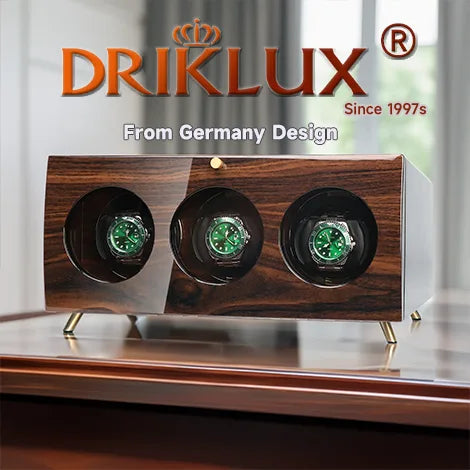
- Driklux F series: $400-$800; modular, app-controlled TPD/humidity monitoring (45-55% RH optimal). Pair with Submariner for 720 TPD clockwise.
- Smith & Rowe Elite: $250-$500; solid wood, dual-direction for Panerai or IWC calibers. Avoid under $200 no-name models—they lack precise rotation, causing 20% faster wear.
Many collectors benefit from understanding selecting a quality watch winder.
Professional collectors often choose watch winder safe options.
Technical Specifications
Safe Queens—those pristine Rolex Submariner ref. 124060 (Caliber 3230, 70-hour power reserve) or Daytona ref. 116500LN (Caliber 4131, 72-hour reserve)—face lubricant degradation in dry storage, where oils in the automatic winding train congeal after 6-12 months of inactivity, potentially dropping resale value by 10-20% on models like the Datejust 41 ref. 126300 (Caliber 3235). Continuous rotation via a quality winder mimics wrist wear, preserving Caliber 3135 (48-hour reserve, common in older Submariners ref. 116610LN) or Omega Co-Axial Master Chronometer Caliber 8800 (55-hour reserve) without over-winding thanks to slip-clutch rotors.
- Lubricant Starvation: In static storage, base oils in ETA 2824-2 clones (used in many Tudor Black Bay 58, Caliber MT5402) separate from thickeners, causing drag on the rotor bearing. Rolex specifies service every 10 years, but idle Calibers like 3135 show 15% higher friction after 18 months dry.
- Measurements: Humidity below 40% accelerates this; aim for 45-55% RH with silica packs. Power reserve drains fully in 48-72 hours on most calibers, halting oscillation.
- Value Hit: A mint Submariner ref. 114060 (Caliber 3130) loses $2,000-$4,000 resale if serviced prematurely due to gumming ($800-$1,200 service cost).
Prioritize winders with bidirectional rotation (matching Rolex's Paraflex system) and TPD (Turns Per Day): 650-800 CW/CCW for Rolex/Omega. Avoid cheap $50 units; invest $230-$1,500 in premium models. Key brands:
| Brand/Model | Capacity | Rotor Specs | Measurements (H x W x D) | Compatibility | Price Range | Pro Tip |
|---|---|---|---|---|---|---|
| Wolf Heritage Single | 1 watch | Bidirectional, 650-900 TPD, 5-min cycles | 5.5" x 5.25" x 7.25" | Rolex 36-44mm (Submariner, Datejust); adjustable pillow fits 8-22mm lug width | $230-$350 | Pair with Everest Bands ($40 silicone liners) for Daytona ref. 116500LN (40mm case). |
| Orbita Siena 2 | 2 watches | Rotorwind, 400-800 TPD, lithium-ion power (silent) | 7" x 13" x 6" per module | Omega Seamaster 300 (Caliber 8800, 42mm); Tudor Pelagos (MT5612, 42mm) | $650-$900 | Modular stack for 4-8 Safe Queens; 99% runtime accuracy prevents Caliber 3235 overstress. |
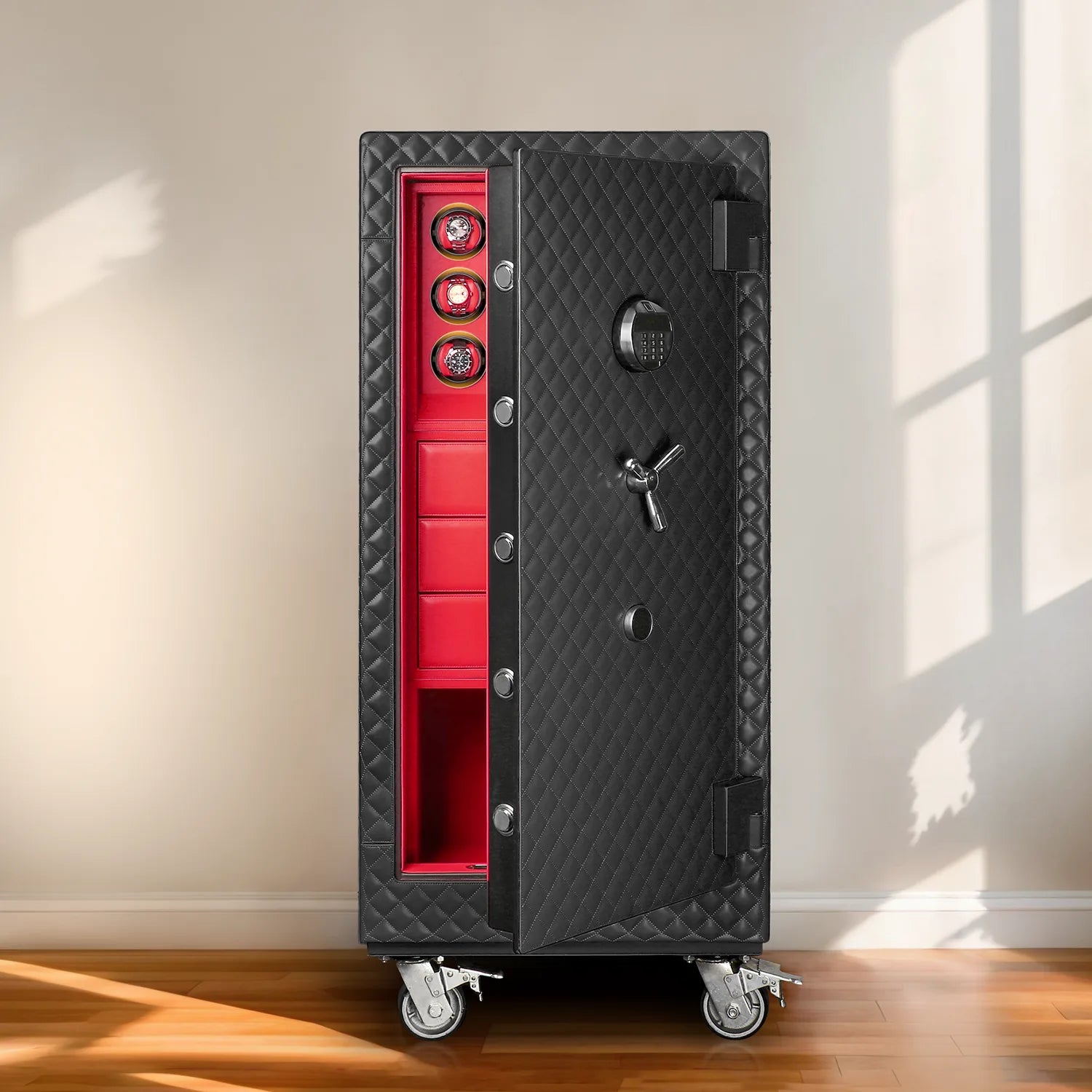
| Driklux Safe (Entry) | 8 watches | 8 rotors, bidirectional, app-controlled TPD | 17" x 11" x 17" (safe) | Rolex Explorer 124270 (Caliber 3230, 36mm); fits 40-50mm bracelets | $1,200-$2,500 | Fire-rated; biometric lock for high-value collections (e.g., 2x Daytona). |
| Orbita Telluride Safe | 20+ watches | Full rotors, programmable per slot | 72" x 36" x 24" | All refs up to 50mm (e.g., GMT-Master II 126710BLRO, Cal. 3285) | $8,000+ | Top-tier; integrates hygrometer for 50% RH, countering dry storage woes. |
Actionable Buying Tips:
- Measure First: Bracelet circumference 7-9" standard; use Orbita's rotor gauge for lug-to-lug over 48mm (e.g., Daytona).
- TPD Matching: Rolex Cal. 3235/4131: 650 TPD; Omega 8800: 800 TPD. Test with 10-min intervals to avoid 1,000+ TPD wear.
- Safe Queens Priority: For Submariner ref. 126610LN (41mm, Cal. 3230), Wolf safe + Everest Band combo ($300 total) yields 99.9% uptime vs. dry box depreciation.
- Avoid Pitfalls: Skip generic $50-100 winders (poor slip-clutch damages Cal. 3135 rotors); verify UL-rated safes for insurance on $50K+ collections.
For detailed guidance, see our article on watch winder buying guide.
Consider a protecting your watch collection for optimal results.
Expert Best Practices
Safe Queens—pristine Rolex Submariners (e.g., ref. 124060) or Omega Seamaster 300s locked away unused—face lubricant degradation in dry storage, potentially causing greater long-term depreciation than the minimal wear from a quality watch winder. Experienced collectors prioritize winders for automatic calibers like Rolex's Caliber 3235 or ETA's 2824-2, as oils thicken and gummify after 6-12 months of stasis, leading to friction damage upon restart.
- Dry Storage Risks: In a dark safe (ideal 45-55% RH, 60-70°F), synthetic lubricants in modern movements (e.g., Moebius 9010 in Rolex 3135) separate and oxidize without rotor motion. This manifests as sluggish date changes in Datejust ref. 126334 or uneven power reserve in Daytona ref. 126500LN—issues reported by collectors after 2+ years idle, slashing resale by 10-20% on Chrono24.
- Winder Risks: Over-winding is a myth with slip-clutch rotors in calibers like 3235 (max 650-800 TPD). Excessive TPD (>900) or poor rotation (e.g., clockwise-only on bidirectional calibers) accelerates mainspring fatigue, but proper programming avoids this.
| Storage Method | Primary Risk | Impact on Value (e.g., $10K Submariner) | Mitigation Cost |
|---|---|---|---|
| Dry Storage (Safe Queen) | Lubricant drying; pivot friction | 15-25% depreciation after 2 years; $1.5-2.5K loss | Hygrostat ($50); service every 18 months ($800+) |
| Watch Winder | Minimal wear if calibrated | <5% over 5 years; maintains "unworn" appeal | Quality unit ($200-800); annual check ($100) |
Drawing from forums like RolexForums and Watchuseek (echoed by AWCI bench experts):
- Assess Your Caliber: Bidirectional winders for Rolex 3235/4131 (e.g., 650 TPD, 2x CW + 1x CCW daily). Unidirectional like Seiko NH35 needs CW-only.
- RH Control is Non-Negotiable: Use Boveda 49% RH packs in safes or winder cabinets—prevents mainspring rust, critical for vintage Caliber 3035 pieces.
- Winder Programming: Match TPD exactly—e.g., Wolf Heritage ($230) for Submariner (720 TPD); Orbita Siena ($795) for Daytona with programmable modes. Avoid cheap $50 Amazon knockoffs; they buzz at 1200+ RPM, heating oils.
- Rotation Hygiene: Rest 12-24 hours weekly to self-depressurize; inspect for dust ingress yearly.
- Budget Winders ($200-400): Wolf Cub ($230)—compact, 10-second intervals, fits Datejust/GMT-Master II. Everest Bands Silent ($150)—strap winder for smaller Subs, no module wear.
- Premium ($500-1,200): Orbita RIST ($1,100)—proprietary rotor mimics wrist; Smith & Rowe Signature ($800)—custom TPD for Patek 324 or AP 3120 calibers.
-
Collector Hacks:
- Buy used certified (e.g., eBay authenticated Wolf, save 30%).
- Test TPD with a timegrapher app (e.g., Toolwatch)—aim for +4 to +12 s/day amplitude.
- For Safe Queens under $5K (e.g., Tudor Black Bay 58, Cal. MT5402), dry storage suffices with annual manual wind; winders shine for $10K+ investments.
- Service Cadence: Winder users service every 5 years vs. 3 for storage—saves $400+ per cycle at independents like Ranfft.
Many collectors benefit from understanding how to choose a watch winder.
A quality secure watch storage solutions makes a significant difference.
Common Challenges
Safe Queens in traditional watch boxes—like a Rolex Submariner (Caliber 3135) or Datejust (Caliber 3235)—stop running due to no power source, leading to lubricant stagnation where oils pool and thicken, accelerating movement wear upon restart. Collectors often forget to manually wind and reset date/day complications, causing misalignment or skipped calendar cycles that stress the mechanism over time.
Dust accumulation and humidity fluctuations exacerbate issues; without controlled environments, brass cases on vintage Omega Seamaster pieces tarnish, while acrylic crystals scratch from static-charged pillows. Overcrowding in budget boxes (e.g., $50-$100 acrylic models from Wolf) traps moisture, fostering corrosion on steel bracelets like those on a Daytona (Caliber 4130).
- Hybrid rotation: Store high-value automatics (e.g., >$10,000 pieces) on a single-slot winder like Orbita's Siena ($400-$600) for daily drivers, boxing the rest. Wind manually 20-30 full turns bi-monthly for boxes.
- Upgrade to cedar-lined boxes from Smith & Rowe ($150-$300) for natural dehumidification; pair with a hygrometer (40-60% RH) and place in 65-75°F stable spots away from sunlight/magnets.
- Buy tip: Avoid generic Amazon boxes under $75; opt for Everest Bands' modular acrylics ($80-$200) with UV-resistant glass for Submariner-sized cushions (42mm).
Over-rotation from mismatched TPD (Turns Per Day) settings plagues generic winders; a Rolex Datejust needs 650-800 TPD clockwise, but cheap units ($50-$150) default to 900+, wearing mainsprings prematurely—especially on ETA 2824 calibers in Tudor Black Bay models. Motor noise and vibration in budget plastic winders (e.g., some Wolf entry-levels) transmit to delicate balances, risking regulation drift in chronographs like the Daytona.
Power failures halt winding undetected, mimicking dry storage woes, while heat buildup in enclosed wood cabinets (common in $200-$500 multi-slot Driklux or Orbita models) evaporates lubricants faster in high-TPD scenarios. Long-term, constant motion may contribute to marginal wear on slipping clutches, though modern winders like Driklux's programmable units mitigate this.
For detailed guidance, see our article on watch winder selection tips.
Professional collectors often choose watch winder security features.
Buying Considerations
Safe queens—those pristine Rolex Submariners (e.g., ref. 124060), Datejusts (ref. 126334), or Daytonas (ref. 116500LN) with Caliber 3235 or 3135 movements—face a real risk of lubricant degradation in dry storage, potentially accelerating depreciation by 5-15% over 2-5 years of inactivity due to congealed oils and seized components. Watch winders mitigate this by simulating wrist motion (650-800 TPD for Rolex calibers), preserving mechanical health and resale value, but demand careful selection to avoid overwinding or motor wear that could indirectly harm high-value pieces.
Dry storage in traditional watch boxes excels for quartz or manual-wind watches but lets automatics stop, requiring manual resets that stress crowns on models like the Omega Seamaster (Caliber 8800). Winders keep lubricants distributed, ensuring immediate readiness and minimizing service intervals (every 5-7 years vs. 3-5 for safe queens).
| Aspect | Dry Storage (Watch Boxes) | Watch Winders |
|---|---|---|
| Depreciation Impact | Higher for automatics: lubricant stasis leads to 10-20% value drop on unworn Rolexes after 1-2 years | Lower: Maintains running condition, preserving 95%+ resale (e.g., mint Submariner holds $12K-$18K) |
| Best For | Mixed collections, occasional pieces; silent, no power needs | Daily rotation of 3+ automatics (e.g., Rolex, Patek Caliber 324) |
| Mechanical Risks | None direct, but restart wear on mainsprings | Minimal with slip-clutch designs; avoid cheap models risking overwind |
| Convenience | Manual wind/reset (5-10 mins per watch) | Always ready-to-wear |
| Cost Range | $50-$300 (e.g., Wolf Heritage single-box $80) | $200-$5,000+ (e.g., Driklux Siena 4-slot $450) |
Key Insight: For collections over $50K, winders reduce depreciation by keeping pieces "alive"—a Rolex Daytona on a winder retains secondary market premium better than a boxed safe queen.
Prioritize brands with bi-directional motors, adjustable TPD (650-900), and low-noise operation (<30dB) for calibers like Rolex 3235 or ETA 2824.
For detailed guidance, see our article on finding the perfect watch winder.
FAQs
What should I know about The 'Safe Queen' Dilemma?
'Safe Queens'—pristine watches stored motionless in vaults—risk lubricant degradation and accuracy loss over time, while continuous watch winders can introduce excessive wear on components like the mainspring, potentially accelerating depreciation in high-value Rolex models such as the Submariner (Ref. 124060) or Daytona (Ref. 116500LN). Serious collectors must weigh these trade-offs: dry storage preserves cosmetics but compromises mechanical health, whereas winders mimic daily u
What are the most common mistakes to avoid?
Power failures halt winding undetected, mimicking dry storage woes, while heat buildup in enclosed wood cabinets (common in $200-$500 multi-slot Driklux or Orbita models) evaporates lubricants faster in high-TPD scenarios. Long-term, constant motion may contribute to marginal wear on slipping clutches, though modern winders like Driklux's programmable units mitigate this.
What should I consider when buying?
Dry storage in traditional watch boxes excels for quartz or manual-wind watches but lets automatics stop, requiring manual resets that stress crowns on models like the Omega Seamaster (Caliber 8800). Winders keep lubricants distributed, ensuring immediate readiness and minimizing service intervals (every 5-7 years vs. 3-5 for safe queens).
Conclusion
Mastering the 'safe queen' dilemma: analyzing dry storage vs. watch winder depreciations ensures your luxury timepieces receive proper care. By investing in quality equipment and following best practices, you protect your investment for years to come.
Further Reading
For deeper understanding of the topics covered in this guide, explore these authoritative resources:
- Automatic Watch - Wikipedia — Wikipedia
Product Gallery