


Deep Dive: Winding Specifications For Panerai Luminor And Radiomir Automatic Models

Table of Contents
- Understanding the Fundamentals
- Technical Specifications
- Best Practices
- Common Challenges
- Buying Considerations
- FAQs
- Conclusion
Panerai Luminor and Radiomir automatic models primarily use in-house self-winding calibers like the P.9000 series, requiring 650-950 turns per day (TPD) on a watch winder, with most operating clockwise (CW), counterclockwise (CCW), or bidirectional (both directions). Manual-wind variants, such as those with P.6000 or P.5000 calibers common in some Radiomir models, demand hand-winding rathe
Many collectors benefit from understanding optimal TPD settings for your watch.
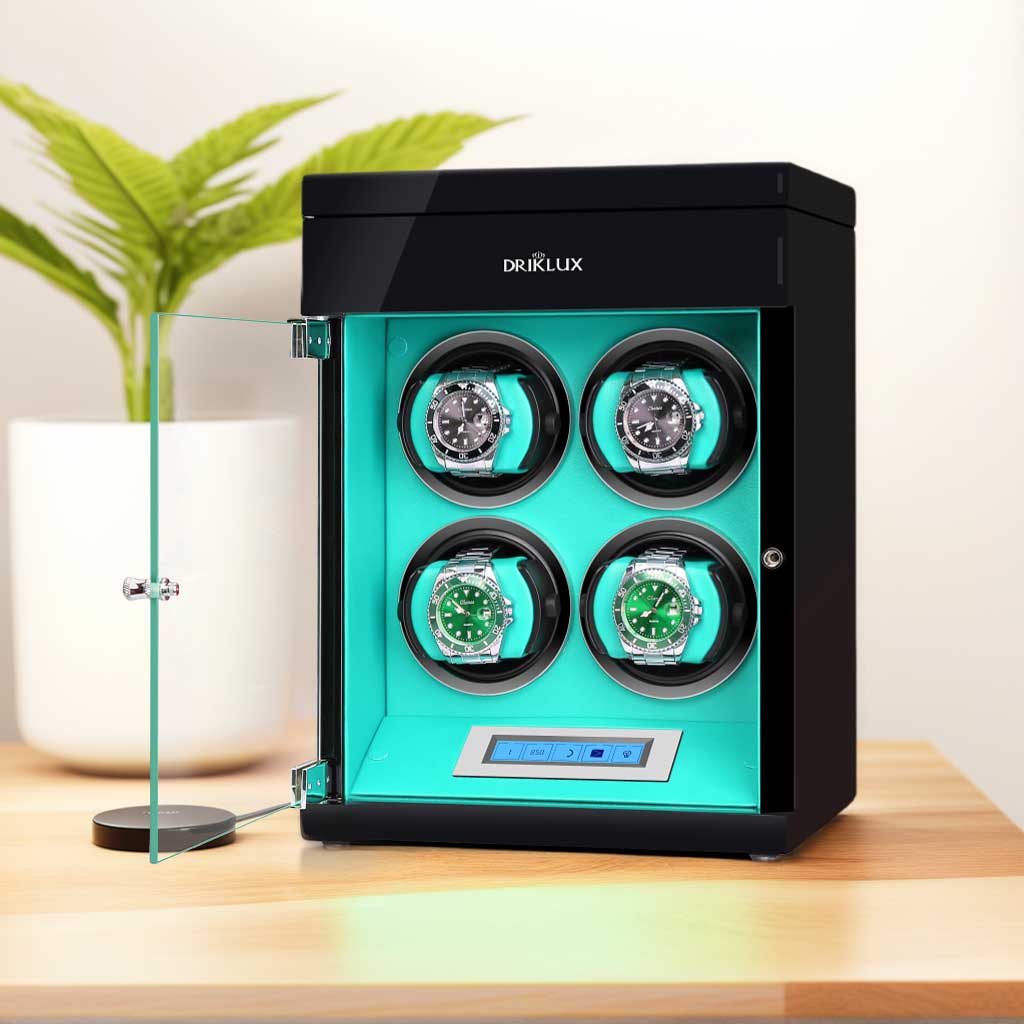
Understanding the Fundamentals
Panerai Luminor and Radiomir automatic models primarily use in-house self-winding calibers like the P.9000 series, requiring 650-950 turns per day (TPD) on a watch winder, with most operating clockwise (CW), counterclockwise (CCW), or bidirectional (both directions). Manual-wind variants, such as those with P.6000 or P.5000 calibers common in some Radiomir models, demand hand-winding rather than automatic winders and offer 3-8 days of power reserve.
Panerai automatic movements feature high power reserves (typically 3 days) enabled by twin barrels with phased mainsprings, delivering consistent torque from full to low wind. TPD refers to the rotations a winder must provide daily to maintain full power reserve, mimicking wrist motion to lubricate the movement without overwinding (protected by a slipping clutch). Direction matters: CW suits most OP III/IX calibers (e.g., 800 TPD), while newer P.9000/P.9001 calibers often accept both for versatility.
- Crown operation (shared across lines): For Luminor, raise the lever to free the crown; for Radiomir, unscrew it. Wind clockwise in position 0 until resistance (full wind), then secure for water resistance. Counterclockwise yields no effect.
- Power reserve indicators: Common on models like PAM 171 (OP IX), signaling when manual top-up is needed.
You can find more information about proper turns per day configuration in our guide.
Consider a dual watch winder solutions for optimal results.
Technical Specifications
Panerai Luminor and Radiomir automatic models typically require 650-800 turns per day (TPD) on watch winders, with most using clockwise (unidirectional) winding, though some feature bi-directional rotors. These specifications vary by caliber and model, as Panerai employs both in-house movements (e.g., P.9000 series) and older ETA/Valjoux-based ones (e.g., OP III, OP IX).
Panerai's automatic Luminor and Radiomir models share similar winding needs, optimized for their robust rotor systems. Data from specialized winder databases shows consistency across sources, with TPD ranges preventing overwinding while ensuring full power reserve (often 3-8 days).
| Model | Collection | Direction | TPD | Caliber (if specified) | Source |
|---|---|---|---|---|---|
| PAM 180 Luminor Marina Automatic 44mm | Luminor | Clockwise | 800 | OP III | |
| PAM 184 Radiomir GMT 42mm | Radiomir | Bi-directional | 650 | - | |
| PAM 185 Radiomir GMT 42mm | Radiomir | Bi-directional | 650 | - | |
| PAM 209 Luminor Marina Automatic 44mm | Luminor | Clockwise | 800 | OP III | |
| PAM 236 Luminor Chrono Daylight 44mm | Luminor | Clockwise | 800 | OP XII | |
| PAM 237 Luminor GMT “Ghost” 44mm | Luminor | Clockwise | 800 | OP VIII | |
| PAM 238 Radiomir GMT/Alarm 42mm | Radiomir | Bi-directional | 600 | Base GP 59 | |
| PAM 240 Luminor Marina Auto Titanio 44mm | Luminor | Clockwise | 800 | - | |
| PAM 242 Radiomir GMT | Radiomir | Clockwise | 800 | - | |
| PAM 244 Luminor GMT 40mm | Luminor | Clockwise | 800 | - | |
| PAM 296 Luminor Auto Titanium 44mm | Luminor | Clockwise | 800 | - | |
| PAM 321 Luminor 1950 3 Days GMT Power Reserve Automatic 44mm | Luminor | Bi-directional | - (650-800 typical) | P.9001 | |
| PAM 352 Luminor Marina 1950 3 Days Automatic | Luminor | Bi-directional | 800-950 | P.9000 | |
| PAM 388 Luminor Radiomir Black Seal 3 Days | Luminor/Radiomir | Bi-directional | 850 | - | |
| PAM 389 Luminor Submersible 1950 3 Days Automatic | Luminor | Bi-directional | 850 | - | |
| PAM 392 Luminor Marina 1950 3 Days | Luminor | Bi-directional | 850 | - |
For detailed guidance, see our article on correct winding parameters.
Consider a watch winder with 6 winding capacity for optimal results.
Best Practices
Panerai Luminor and Radiomir automatic models predominantly require clockwise winding at 800 turns per day (TPD) for optimal performance on watch winders, though some Radiomir variants use bi-directional winding at 650 TPD; manual-winding models in these lines demand hand-winding clockwise until resistance, with power reserves of 3 days (P.6000 caliber) or up to 8 days (P.5000).
Panerai's in-house calibers, such as the P.6000 (21,600 vph, 19 jewels, 3-day reserve) in many Radiomir models and P.9000/P.9010 series in Luminor automatics, dictate these parameters. Data from specialized winding charts shows consistency across automatic Luminor and most Radiomir automatics:
| Model Example | Winding Direction | TPD | Caliber Notes | Power Reserve |
|---|---|---|---|---|
| Luminor Marina Auto (e.g., PAM104, PAM180, PAM240) | Clockwise | 800 | P.9010 or similar automatic | 3 days |
| Luminor GMT/Chrono (e.g., PAM237, PAM244) | Clockwise | 800 | Automatic with GMT/complications | 3 days |
| Radiomir GMT (e.g., PAM184, PAM185) | Bi-directional | 650 | Automatic | 3 days |
| Radiomir 10 Days GMT (PAM323) | Bi-directional | 1800 | High-reserve automatic | 10 days |
For detailed guidance, see our article on TPD requirements for automatic watches.
Professional collectors often choose understanding TPD specifications.
Common Challenges
Panerai Luminor and Radiomir automatic models typically require 650-800 turns per day (TPD) on watch winders, with most winding clockwise (CW), though some use bi-directional rotors; power reserves range from 3 days (P.6000 calibers) to 8 days (P.5000) or more in select cases. Manual winding involves turning the crown clockwise in position 0 until resistance, after raising the lever (Luminor) or unscrewing (Radiomir), with counterclockwise turns ineffective.
Panerai's in-house automatic calibers like P.9000/P.9001 (3-day reserve, bi-directional, 800-950 TPD) power many modern Luminor and Radiomir automatics, while older OP-series (e.g., OP III, OP IX) are CW at 800 TPD. Common specs from aggregated data:
| Model Series/Example | Caliber | Direction | TPD | Power Reserve | Notes |
|---|---|---|---|---|---|
| Luminor Marina Auto (e.g., PAM 180, 140, 209) | OP III | CW | 800 | 3 days | Titanium or steel cases, 44mm common. |
| Luminor GMT (e.g., PAM 237 "Ghost", PAM 244) | OP VIII / Similar | CW | 800 | 3 days | GMT function. |
| Radiomir GMT (e.g., PAM 184/185, PAM 242) | Various | Bi-directional or CW | 650-800 | 3 days | 42mm cases prevalent. |
| Luminor 1950 3 Days (e.g., PAM 352, PAM 321) | P.9000/P.9001 | Bi-directional | 800-950 | 3 days | GMT/power reserve variants. |
| Radiomir 10 Days GMT (PAM 323) | In-house | Bi-directional | 1800 | 10 days | Higher TPD for extended reserve. |
| Luminor Submersible (e.g., PAM 389, 243) | P.6000 or similar | Bi-directional/CW | 800-850 | 3 days | Dive-rated to 100m+. |
For detailed guidance, see our article on ideal turns per day setup.
Consider a 4 watch winder for automatic timepieces reliable for optimal results.
Buying Considerations
Panerai Luminor and Radiomir automatic models typically require 650-950 turns per day (TPD) on watch winders, with most needing clockwise (CW) or bi-directional rotation at around 800 TPD to maintain optimal power reserve. These specifications vary by caliber, such as OP III (CW, 800 TPD) in Luminor Marina models or P.9000/P.9001 (bi-directional, 800-950 TPD) in 1950 series.
Panerai's automatic movements, often in-house like P.9000 series or modified OP calibers (e.g., OP III, OP IX), demand precise winder settings to avoid overwinding, which can strain the slip clutch, or underpowering, leading to inconsistent timekeeping. Common parameters from aggregated data:
| Model Example | Caliber | Direction | TPD | Notes |
|---|---|---|---|---|
| PAM 180 Luminor Marina Auto 44mm | OP III | CW | 800 | Standard for many Luminor autos; 3-day reserve. |
| PAM 184/185 Radiomir GMT 42mm | N/A | Bi-directional | 650 | GMT function; lower TPD suits extended reserve. |
| PAM 296 Luminor Auto Titanium 44mm | N/A | CW | 800 | Titanium case reduces weight for daily wear. |
| PAM 321 Luminor 1950 3 Days GMT 44mm | P.9001 | Bi-directional | 800-950 | In-house; GMT roller; flexible for winders. |
| PAM 352 Luminor Marina 1950 3 Days | P.9000 | Bi-directional | 800-950 | 3-barrel, 72-hour reserve; ideal for intermittent wear. |
| PAM 388 Luminor Radiomir Black Seal 3 Days | N/A | Bi-directional | 850 | Entry-level auto; robust for collectors. |
You can find more information about stowa automatic watch tpd turns per day in our guide.
FAQs
What TPD setting should I use?
Panerai Luminor and Radiomir automatic models typically require 650-800 turns per day (TPD) on watch winders, with most using clockwise (unidirectional) winding, though some feature bi-directional rotors. These specifications vary by caliber and model, as Panerai employs both in-house movements
How do I choose the right winding direction?
Panerai Luminor and Radiomir automatic models typically require 650-800 turns per day (TPD) on watch winders, with most using clockwise (unidirectional) winding, though some feature bi-directional rotors. These specifications vary by caliber and model, as Panerai employs both in-house movements
What are common mistakes to avoid?
Panerai Luminor and Radiomir automatic models typically require 650-800 turns per day (TPD) on watch winders, with most winding clockwise (CW), though some use bi-directional rotors; power reserves range from 3 days (P.6000 calibers) to 8 days (P.5000) or more in select cases. Manual win
Conclusion
Mastering deep dive: winding specifications for panerai luminor and radiomir automatic models ensures your luxury timepieces receive proper care. By investing in quality equipment and following best practices, you protect your investment for years to come.
Product Gallery