

How To Document Your Watch Collection: Integrating Serial Numbers With Safe Access Codes

Table of Contents
- Overview and Key Concepts
- Technical Specifications
- Expert Best Practices
- Common Challenges
- Buying Considerations
- FAQs
- Conclusion
Proper documentation of your watch collection—combining serial number verification with secure access protocols—is essential for authentication, insurance claims, estate planning, and protecting against theft or counterfeiting.
You can find more information about choosing the right watch winder in our guide.
Overview and Key Concepts
Proper documentation of your watch collection—combining serial number verification with secure access protocols—is essential for authentication, insurance claims, estate planning, and protecting against theft or counterfeiting.
Serial numbers serve as your watch's fingerprint. For Rolex models, the serial number location depends on manufacturing date: older pieces have serials engraved between the lugs at the 6 o'clock position, while watches made after 2005 display them on the inner bezel (rehaut). This distinction is critical because it's your first authentication checkpoint.
The stakes are particularly high for modern Rolex watches. Since spring 2010, Rolex implemented a randomized serial number system—replacing the predictable sequences that counterfeiters once exploited. A modern serial like OT23Q257 or 52335J78 reveals nothing about manufacturing date, which is intentional security architecture. Post-2010 Rolex models with verified random serials and complete documentation retain significantly higher authenticity and trade-in values.
For each watch, document:
- Serial number location and exact alphanumeric code
- Model reference number (engraved at 12 o'clock position for Rolex)
- Case number (varies by manufacturer—inside case back for Omega and Tissot, outside for Citizen and Rado)
- Movement/caliber number (e.g., Caliber 3135 or 3235 for Rolex)
- Original purchase documentation and warranty cards
For detailed guidance, see our article on selecting a quality watch winder.
Professional collectors often choose watch winder safe options.
Technical Specifications
The foundation of proper watch documentation begins with distinguishing between two critical identifiers. A serial number is unique to each individual timepiece and provides manufacturing data, while a reference number (or model number) identifies the specific model across all examples produced. For Rolex watches, serial numbers consist of 4 to 8 digits and represent the year of manufacture, whereas Omega serial numbers contain 7 to 8 digits and serve as the movement number. This distinction is essential when cataloging—your documentation system must capture both to create a complete provenance record.
Rolex watches present a specific challenge: the serial number is engraved on the case between the lugs at the 6 o'clock position and requires bracelet removal to access. The reference number sits opposite at 12 o'clock. For pre-2007 Rolex models, this remains the standard location; however, as of August 2010, Rolex randomized serial numbers, making historical dating through serials alone impossible. Some brands engrave serials on the case back, lugs, or other locations, so physical inspection is mandatory.
When documenting, photograph the serial number clearly after bracelet removal, capturing both the 6 o'clock and 12 o'clock positions for Rolex pieces. This visual record serves as backup authentication.
Effective collection management requires a multi-layered approach:
Digital Organization: Maintain a primary database (Excel, dedicated watch software, or specialized platforms) recording brand, serial number, reference number, purchase date, acquisition price, and current valuation. Create individual folders for each watch containing multiple high-resolution photographs from multiple angles.
For detailed guidance, see our article on watch winder buying guide.
Professional collectors often choose protecting your watch collection.
Expert Best Practices
Serial numbers uniquely identify your watch, distinguishing them from reference numbers (model identifiers like Rolex Submariner Ref. 116610LN or Omega Seamaster Ref. 300M), and are essential for authentication, valuation, and insurance. Experienced collectors like those on Omega Forums recommend starting with a physical binder or digital spreadsheet listing each watch's serial number, reference, caliber (e.g., Rolex Caliber 3135 in a Datejust or 3235 in modern Submariners), purchase date, dealer, and photos—front, back, between lugs (pre-2012 Rolex at 6 o'clock position), rehaut (post-2012 Rolex), or movement. Actionable tip: Use a jeweler's loupe or phone magnifier app to photograph engravings clearly; for vintage pieces like Patek Philippe Calatrava Ref. 5196, check inside the caseback.
Cross-reference your recorded serial with original documents—warranty cards, certificates of authenticity, receipts—and brand databases for production year, model confirmation, and authenticity. Brands like Rolex (unique per watch, though some 1940s-1950s ranges overlap), Patek Philippe, Jaeger-LeCoultre, and Omega engrave serials between lugs, on rehauts, casebacks, or bridges; Breguet prints shorter model-specific ones on dials. Pro tip from Gnomon Watches experts: Inspect for matching hallmarks, fonts, and wear—flawless on new Daytonas (Ref. 116500LN, Caliber 4130), minimal on serviced vintages—and listen to the movement sweep for genuineness. Digitize everything via apps like Certainty Register, uploading invoices, service records, and high-res photos without obscuring serials for insurance claims.
Pair serial-documented inventories with safe access codes (biometric, PIN, or app-based) on watch winders and safes to prevent unauthorized access while enabling quick audits—crucial for collections valued $50,000+. Recommendations from collectors:
- Wolf Winders ($200-$800): Models like the Chester or Cub integrate RFID locking; program a 6-digit PIN tied to your master serial ledger. Tip: Store winders in a Wolf Heritage Safe ($1,500-$3,000) with serial-linked biometric access; document winder settings per caliber (e.g., 650 TPD for Rolex 3135).
- Orbita Siena ($400-$1,200): Triple-caliber winders with app-controlled codes; link each module's code to a watch's serial in Excel (e.g., Submariner serial G-series = code 3135A). Buy from authorized dealers for warranty matching.
- Everest Bands ($50-$230): Affordable NATO straps for daily rotation; tag with serial stickers in your binder, then secure in Smith & Rowe acrylic cases ($100-$500) with keyed locks coded to reference groups (e.g., Nautilus 57XX series).
| Brand/Model | Price Range | Key Feature for Serial Integration | Buying Tip |
|---|---|---|---|
| Wolf Chester Winder | $250-$450 | PIN-linked drawers; 900 TPD for Caliber 3235 | Pair with Wolf app for serial backups; check Driklux.com bundles under $600. |
| Orbita Siena 3 | $500-$900 | Biometric + app codes per slot | Verify dealer authenticity; ideal for 3-5 watch rotations, TPD-adjustable. |
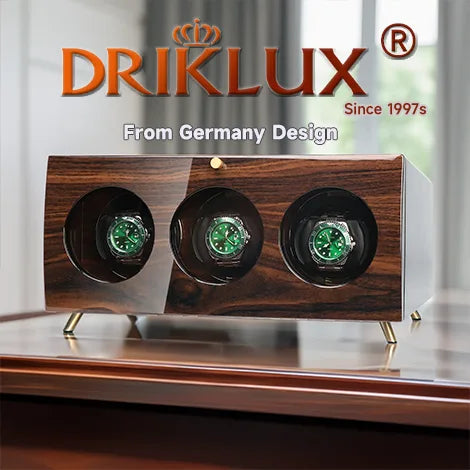
| Driklux | $150-$400 | Brushless stepper motor | temper glass window for door; TPD-adjustable. |
You can find more information about how to choose a watch winder in our guide.
Professional collectors often choose secure watch storage solutions.
Common Challenges
Documenting your watch collection by integrating serial numbers (unique identifiers like those on a Rolex Submariner's rehaut post-2005) with safe access codes (e.g., biometric or PIN-protected entries in apps or safes) is essential for authentication, insurance, and resale—especially for high-value pieces like a Rolex Daytona with Caliber 4130. However, collectors often encounter pitfalls rooted in security risks, incomplete records, and organizational chaos. Below, I outline the most frequent issues, drawn from real-world collector experiences and Rolex verification practices, with precise, actionable fixes.
Problem: Apps like Chrono24's Watch Collection tool require serial numbers (e.g., randomized post-2010 formats like OT23Q257), but hackers or data breaches could expose them, enabling theft or fraud—especially since pre-2010 sequential numbers (e.g., between lugs at 6 o'clock on vintage Datejusts) reveal production years to counterfeiters.
Solution:
- Use encrypted, offline-first apps like WatchCollection Pro or Collectors Vault, which store data locally with AES-256 encryption before optional cloud sync. Avoid public apps; instead, pair with hardware like a Wolf Heritage safe ($500-$1,200) featuring RFID-blocked compartments.
- Mask serials digitally: Record only the first/last 4 digits (e.g., "OT23****") in apps, keeping full details in a physical logbook locked in an Orbita Siena winder-safe hybrid ($800-$1,500).
- Pro tip: Verify app privacy policies—Chrono24 users report unease, so opt for self-hosted tools like Notion with end-to-end encryption.
Problem: Misidentifying locations leads to fake records; pre-2005 Rolexes hide serials between lugs (requiring a loupe), while post-2005 models laser-etch them on the rehaut. Beginners confuse them with model or caliber numbers (e.g., Caliber 3235 on modern Submariners), invalidating insurance claims.
Solution:
- Standardize your process: Use a jeweler's loupe ($20-$50 from Everest Bands) and magnifier app on your phone. For Rolex, always cross-check: rehaut for 2005+, lugs for older. Photograph both watch and papers side-by-side.
- Create a hybrid ledger: Excel/Google Sheets template with columns for Brand/Model (e.g., Rolex GMT-Master II), Serial, Caliber (e.g., 3285), Photos, and Safe Code (e.g., "Wolf Module 14: PIN 4782"). Encrypt the file with VeraCrypt (free).
- Buying tip: When acquiring, demand full papers—post-2010 randomized serials boost resale by 20-30% on models like the Daytona.
Problem: Storing safe codes (e.g., for a Smith & Rowe biometric safe, $300-$900) alongside serials risks total exposure if one record is breached. Collectors forget codes or use predictable ones (e.g., "1234"), leading to inaccessible collections during emergencies.
Solution:
- Use indirect referencing: Assign codes a unique ID (e.g., "Safe-A1: Rolex Submariner 3135, Serial OT23Q257") stored in separate vaults—one for serials (offline USB), one for codes (password manager like Bitwarden). Link via a master index: "A1 → Vault B, Entry 7."
- Biometric upgrades: Integrate with winders like Orbita Telluride ($1,200-$2,300), which pair app-controlled access with fingerprint locks—no codes needed. For budgets under $230, Everest Bands' modular safes add RFID keyfobs.
- Test annually: Simulate a "loss" scenario—can you access via serial-verified docs? Update for new additions, like a Caliber 4131 Daytona.
Problem: Expanding collections (e.g., adding a Pearlmaster) outpace records, with forgotten service histories or unverified calibers diluting value. Post-2010 randomization makes date-checking reliant on papers, which get misplaced.
Solution:
- Tiered system: Categorize by value—high-end (e.g., Daytona >$30K: full serial + rehaut photo + appraisal); mid-tier (Datejust $8K-$15K: serial + caliber only). Use apps like WatchBox Inventory for auto-backups.
- Routine audits: Quarterly reviews with a Rolex service center receipt scan. Insure via providers valuing randomized serial authenticity (up to 15% premium).
- Scalable storage: Wolf Chelsea winders ($400-$700) with built-in document drawers; for 20+ watches, upgrade to Orbita Fusion towers.
For detailed guidance, see our article on watch winder selection tips.
A quality watch winder security features makes a significant difference.
Buying Considerations
Serial numbers are unique identifiers etched into your watch's case—typically between the lugs at 6 o'clock for Rolex models like the Submariner (ref. 116610LN) or Datejust (ref. 126300), requiring bracelet removal for access—distinguishing them from reference numbers that denote models and materials. Integrating these with safe access codes (e.g., biometric PINs or RFID-locked combinations on watch winders) creates a secure, verifiable inventory: photograph the serial alongside your winder's code label, cross-reference via brand databases (Rolex via authorized service centers; Omega movement serials of 7-8 digits), and store digitally in tools like Certainty Register for photos, invoices, and appraisals.
For Rolex Caliber 3135 (pre-2020 Submariner) or 3235 (current Daytona ref. 126500LN), serials decode production years—e.g., 737-803xxx for 1951, randomized post-2010—ensuring authenticity against fakes. Pair this with winder safe codes in a spreadsheet: column for serial, model (e.g., Daytona), caliber, photos of caseback/lugs, and winder module code (e.g., Wolf's RFID slot #3).
Secure winders protect collections by automating winding for automatic calibers like Rolex 3135/3235 (15.5 jewels, 48-hour reserve) while integrating locks for documented access. Prioritize Wolf, Orbita, and Driklux for modular safes; avoid budget no-names lacking precise TPD (Turns Per Day, e.g., 650 for Rolex).
| Brand | Key Models with Safe Features | Price Range | Pros | Cons |
|---|---|---|---|---|
| Wolf | Chelsea (8-watch safe, biometric lock) | $1,200-$2,800 | Customizable modules, app-linked codes, leather-lined[web:0] | Heavier (50+ lbs), premium markup |
| Orbita | Siena (4-watch, RFID safe access) | $900-$2,200 | Silent motors, programmable TPD for Cal. 3235 | Limited colors, US-only warranty |
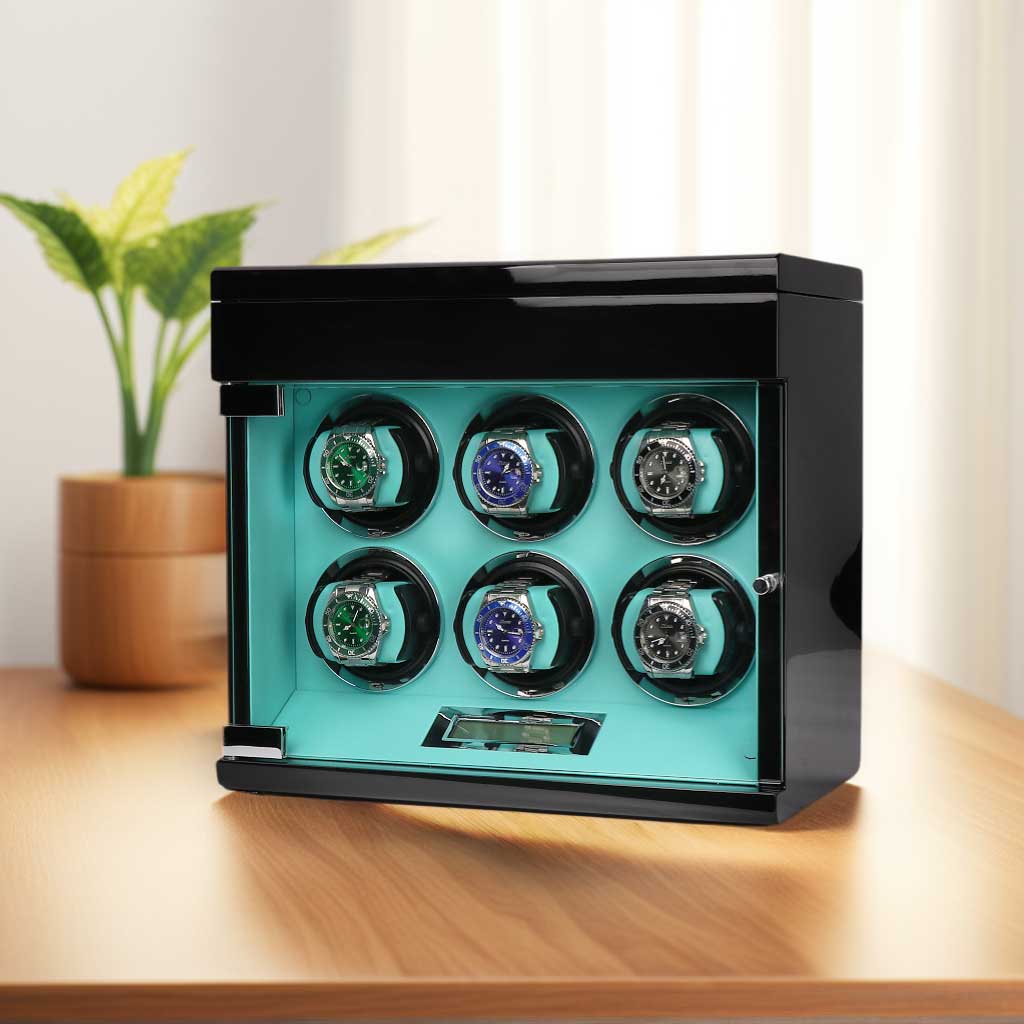
| Driklux | Premier Vault (12-watch, dual biometric/PIN) | $2000-$3,600 | Affordable luxury, integrates serial QR scans | Newer brand, fewer reviews |
Wolf leads for tech-savvy collectors with Submariner/Datejust rotations; Orbita excels in precision for Daytona high-beat calibers.[web:0]
For detailed guidance, see our article on finding the perfect watch winder.
FAQs
What should I know about How to Document Your Watch Collection?
Proper documentation of your watch collection—combining serial number verification with secure access protocols—is essential for authentication, insurance claims, estate planning, and protecting against theft or counterfeiting.
What are the most common mistakes to avoid?
Documenting your watch collection by integrating serial numbers (unique identifiers like those on a Rolex Submariner's rehaut post-2005) with safe access codes (e.g., biometric or PIN-protected entries in apps or safes) is essential for authentication, insurance, and resale—especially for high-value pieces like a Rolex Daytona with Caliber 4130. However, collectors often encounter pitfalls rooted in security risks, incomplete records, and organizational chaos. Below, I outline the most f
What should I consider when buying?
For Rolex Caliber 3135 (pre-2020 Submariner) or 3235 (current Daytona ref. 126500LN), serials decode production years—e.g., 737-803xxx for 1951, randomized post-2010—ensuring authenticity against fakes. Pair this with winder safe codes in a spreadsheet: column for serial, model (e.g., Daytona), caliber, photos of caseback/lugs, and winder module code (e.g., Wolf's RFID slot #3).
Conclusion
Mastering how to document your watch collection: integrating serial numbers with safe access codes ensures your luxury timepieces receive proper care. By investing in quality equipment and following best practices, you protect your investment for years to come.
Product Gallery